
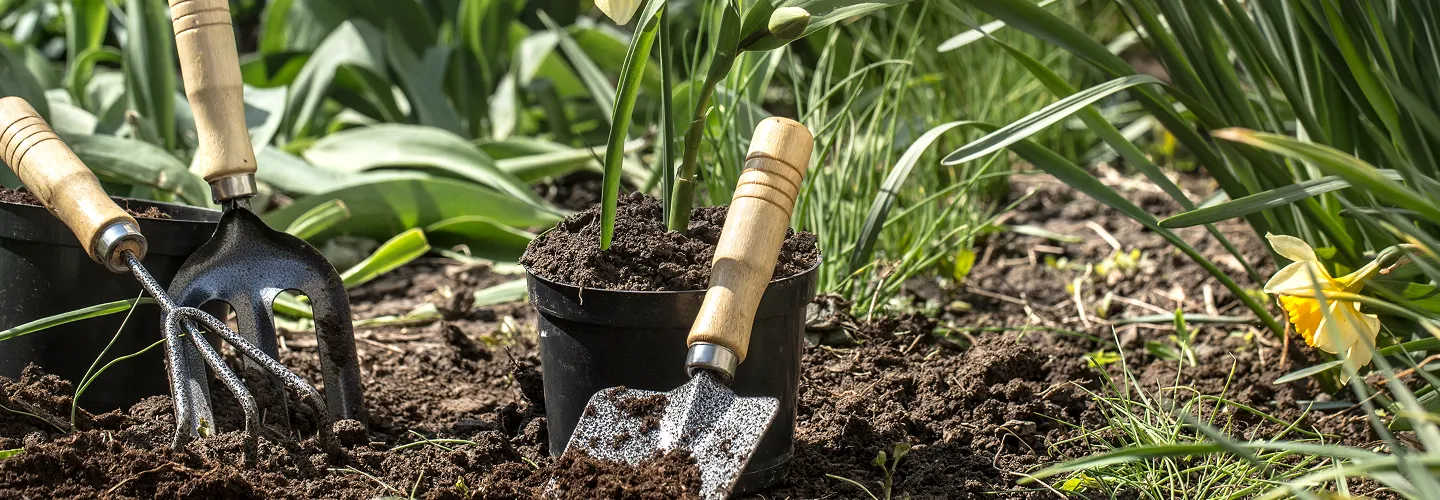
San Carlos Park Flower Planting Services
Choose our expert flower planting services for vibrant, long-lasting color and professional care that transforms your landscape into a stunning floral showcase.
Get a Free QuoteOur San Carlos Park Landscaping & Yard Care Services
When to Schedule Flower Planting in San Carlos Park, Florida – Seasonal Guide
Flower planting in San Carlos Park, Florida, is best scheduled with careful attention to our region’s unique subtropical climate and local landscape features. The optimal planting windows typically fall between late winter and early spring, after the last frost date, and again in early fall when temperatures begin to moderate. Neighborhoods near Three Oaks Park and along San Carlos Boulevard often experience microclimates due to varying shade coverage and proximity to water, which can influence the best timing for planting.
Local environmental factors such as high humidity, sandy soils, and the risk of summer droughts play a significant role in determining when and what to plant. For example, areas with dense tree canopies, like those near San Carlos Community Pool, may require shade-tolerant varieties and careful soil preparation. It’s also important to consider municipal guidelines and resources, which can be found on the Town of Sudbury’s website, for up-to-date information on local planting recommendations and restrictions.
Local Factors to Consider for Flower Planting in San Carlos Park
- Tree density and available sunlight in your yard
- Soil type and drainage, especially in areas with sandy or compacted soils
- Seasonal precipitation patterns and drought risk
- Proximity to landmarks like Three Oaks Park or San Carlos Community Pool
- Municipal restrictions or guidelines on planting and irrigation
- Terrain variations, such as slopes or low-lying areas prone to pooling water
Benefits of Flower Planting in San Carlos Park
Expert Local Landscaping Knowledge
Customized Flower Bed Designs
Seasonal Plant Selection Guidance
Efficient and Reliable Service
Eco-Friendly Planting Practices
Enhanced Curb Appeal
San Carlos Park Flower Planting Types

Annual Flower Beds
Brighten your landscape with seasonal color using annual flower beds.
-
Perennial Plantings
Enjoy long-lasting blooms year after year with perennial flower selections.
-
Native Wildflower Gardens
Promote biodiversity and low-maintenance beauty with native wildflowers.
-
Pollinator-Friendly Plantings
Attract bees, butterflies, and hummingbirds with pollinator-friendly flowers.
-
Shade Garden Flowers
Enhance shaded areas with flowers that thrive in low-light conditions.
-
Drought-Tolerant Flower Beds
Conserve water and maintain vibrant color with drought-resistant blooms.
-
Container Flower Arrangements
Add versatility and style with expertly designed container flower plantings.
Our Flower Planting Process
Site Evaluation
Soil Preparation
Flower Selection
Planting
Watering and Mulching
Why Choose San Carlos Park Landscape Services
San Carlos Park Homeowners Trust Us
-
Expert Lawn Maintenance
-
Reliable Irrigation Solutions
-
Comprehensive Weed Control
-
Seasonal Clean-Up Services
-
Competitive Pricing
-
Professional Team
-
Satisfaction Guarantee
Coordinating Flower Planting Projects with Lee County Departments in San Carlos Park
San Carlos Park is an unincorporated community in Lee County, which means all land-use oversight, landscaping guidance, and development review fall under county-level departments rather than a municipal government. Residents and property managers planning flower planting projects should coordinate with Lee County's Department of Community Development when planting work is part of a broader site improvement, frontage enhancement, or development review. For properties adjacent to county-maintained parks, medians, or public greenspaces, Lee County Parks and Recreation can provide guidance on species compatibility and planting standards that align with public landscape expectations. Before beginning any flower bed installation near rights-of-way, swales, or drainage easements, property owners should verify that plantings will not obstruct stormwater flow or interfere with county maintenance access.
- Confirm whether your property borders a county-maintained swale, canal, or drainage easement before installing flower beds
- Review any HOA or deed-restricted community landscape guidelines that may govern plant species, bed placement, or color schemes
- Contact Lee County's Department of Community Development for projects that involve grading, irrigation modifications, or site alterations beyond routine planting
Lee County Parks and Recreation
Official Website: Lee County Parks and Recreation
Lee County Department of Community Development
Official Website: Lee County Department of Community Development
How San Carlos Park's Gulf Coast Climate Shapes Flower Planting Success
San Carlos Park sits within USDA Hardiness Zone 10a, a subtropical Gulf Coast environment characterized by intense summer heat, high humidity, and a pronounced wet season from roughly June through October. These conditions directly influence which flower species thrive and how planting projects should be planned. The area's soils are predominantly sandy and fast-draining, which means nutrients leach quickly and supplemental organic matter is often necessary to support flowering plants. The high water table common across much of southwest Florida can create saturated root zones during heavy summer rains, making drainage assessment essential before bed preparation.
- Heat and humidity: Summer temperatures regularly exceed 90°F with humidity levels that promote fungal pressure on susceptible flower species; selecting heat-tolerant varieties such as pentas, lantana, plumbago, and firebush reduces replacement frequency
- Sandy soils and nutrient leaching: The predominantly sandy soil profile drains rapidly, requiring organic amendments like composted material to improve moisture retention and nutrient availability in flower beds
- Wet-season saturation: Intense afternoon thunderstorms during the wet season can waterlog poorly drained beds, making raised bed construction or amended soil profiles important for species sensitive to root rot
- Salt exposure: Properties closer to Estero Bay or tidal waterways may experience occasional salt drift, favoring salt-tolerant flowering species such as blanket flower, beach sunflower, and sea oxeye daisy
The USDA Plant Hardiness Zone Map confirms San Carlos Park's classification and should be referenced when selecting flowering species for year-round or seasonal installations.
Navigating Lee County's Regulatory Framework for Flower Planting Compliance
While routine flower planting on residential properties in San Carlos Park does not typically require a permit, several regulatory considerations apply when projects involve grading changes, irrigation system modifications, or planting within drainage easements or rights-of-way. Lee County's zoning regulations may govern frontage landscaping requirements in certain zoning districts, and property owners should verify compliance through the county's zoning division. Any flower planting project that involves soil amendments containing fertilizer must account for Lee County's fertilizer ordinance, which restricts nitrogen and phosphorus application during the summer rainy season to protect local waterways. The Florida Statutes §403.9337 provides the model ordinance framework for Florida-friendly fertilizer use on urban landscapes.
- Verify current fertilizer blackout period dates with Lee County before applying nutrient-rich soil amendments to new flower beds
- Ensure flower bed installations near swales, retention ponds, or canal banks do not introduce excess sediment or nutrient runoff into stormwater systems, consistent with Florida DEP NPDES Stormwater Program requirements
- Properties in deed-restricted communities should confirm that proposed flower species, bed dimensions, and mulch types comply with HOA architectural review standards
- Irrigation modifications associated with flower planting may require coordination with Lee County Utilities regarding water use and any applicable watering restrictions set by the South Florida Water Management District
Lee County Zoning
Official Website: Lee County Zoning
Timing and Methods for Flower Planting in San Carlos Park's Subtropical Seasons
Professional flower planting in San Carlos Park follows seasonal timing that accounts for the area's two dominant climate phases. The dry season, roughly November through May, offers the most favorable conditions for establishing new flower beds, as reduced rainfall allows controlled irrigation scheduling and lower fungal pressure during the critical root-establishment period. Planting during the wet season is feasible but requires careful species selection and drainage planning to prevent root rot from prolonged soil saturation.
- Bed preparation: Remove existing vegetation and debris, amend sandy soils with organic compost to a depth of six to eight inches, and grade beds to ensure positive drainage away from structures and toward designated stormwater conveyances
- Species selection: Choose flowers rated for Zone 10a that tolerate both summer heat and occasional winter cool spells; perennials such as pentas, ixora, and society garlic provide year-round color, while seasonal annuals like impatiens and petunias perform well during the cooler dry season
- Irrigation setup: Install drip emitters or micro-spray heads within flower beds to deliver water directly to root zones, minimizing evaporation loss and reducing runoff; the EPA WaterSense Outdoors program provides guidance on efficient irrigation practices
- Mulch application: Apply two to three inches of organic mulch around plantings to moderate soil temperature, retain moisture, and suppress weed germination; keep mulch pulled back from plant stems to prevent crown rot
- Post-planting monitoring: Water newly installed flowers daily for the first one to two weeks, then gradually reduce frequency as roots establish; monitor for signs of fungal disease during periods of high humidity
Protecting adjacent swales, storm drains, and canal edges from soil erosion and mulch displacement during and after installation is essential, as noted in UF/IFAS guidance on protecting Florida's water resources.
What Neighborhoods Do We Serve Throughout San Carlos Park, FL?
- San Carlos Estates: Larger residential lots with mature tree canopy create mixed sun-and-shade conditions that require careful flower species selection based on light exposure and root competition from established trees.
- Coconut Creek: Properties in this subdivision often feature irrigated front yards and HOA-maintained common areas where flower bed installations must align with community appearance standards and approved plant palettes.
- Briarcliff: This established neighborhood includes properties with older irrigation systems and compacted fill soils that may require soil amendment and irrigation upgrades before successful flower planting.
- Island Park: Proximity to drainage canals and low-lying areas makes drainage assessment particularly important for flower bed placement, as seasonal water table fluctuations can affect root health.
- Tanglewood: Residential lots in Tanglewood typically feature full-sun exposure with sandy soils, favoring heat-tolerant flowering species and consistent mulch management to retain soil moisture.
- Marlin Estates: Properties near retention ponds and stormwater features in this area require careful attention to setback distances and runoff prevention when establishing new flower plantings.