
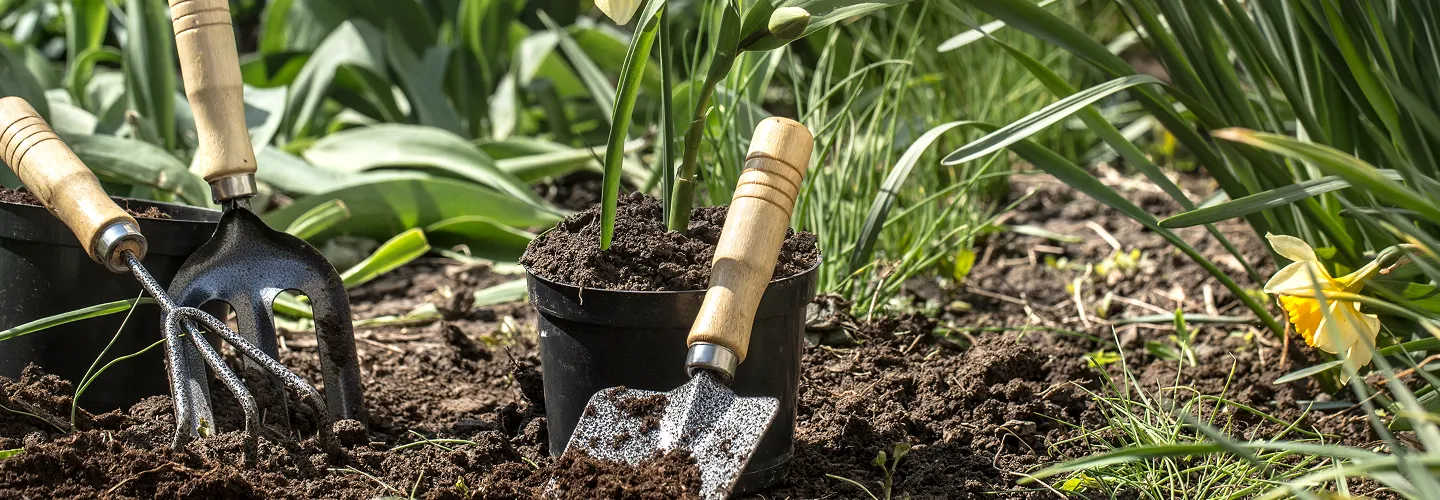
San Carlos Park Plant Removal Services
Choose our Plant Removal service for safe, thorough, and environmentally responsible removal of unwanted plants—ensuring your property stays beautiful, healthy, and ready for your next landscaping project.
Get a Free QuoteOur San Carlos Park Landscaping & Yard Care Services
When to Schedule Plant Removal in San Carlos Park, Florida – Seasonal Guide
In San Carlos Park, Florida, timing your plant removal is crucial for both the health of your landscape and compliance with local guidelines. The subtropical climate means that the best periods for plant removal are typically late winter through early spring, before the onset of the rainy season and high humidity. This window allows for easier root extraction and minimizes regrowth, especially in neighborhoods near Three Oaks Parkway or around San Carlos Community Park, where dense shade and rich soils can encourage rapid plant recovery.
Local environmental factors such as the last frost date—usually in late January—should be considered, as removing plants too early can expose your soil to erosion or weed invasion. Additionally, the risk of drought increases in late spring, so scheduling removals before this period helps maintain soil moisture and supports healthy replanting. For more information on local regulations and best practices, consult the official municipal resources.
Local Factors to Consider for Plant Removal in San Carlos Park
- Tree density and canopy coverage, especially in areas like Pine Manor
- Soil type and drainage, which can vary between river-adjacent lots and upland neighborhoods
- Seasonal precipitation patterns and hurricane preparedness
- Municipal restrictions on debris disposal and protected species
- Terrain challenges, such as sloped yards or proximity to wetlands
Benefits of Plant Removal in San Carlos Park
Expert Landscaping Team
Efficient Plant Removal
Eco-Friendly Disposal
Improved Curb Appeal
Customized Landscaping Solutions
Competitive Local Pricing
San Carlos Park Plant Removal Types

Invasive Species Removal
-
Tree Stump Extraction
-
Shrub and Bush Clearing
-
Root System Removal
-
Overgrown Vegetation Clearing
-
Dead Plant Disposal
-
Landscape Bed Cleanouts
Our Plant Removal Process
Site Evaluation
Preparation and Safety Measures
Plant Uprooting
Debris Removal
Site Restoration
Why Choose San Carlos Park Landscape Services
San Carlos Park Homeowners Trust Us
-
Expert Lawn Maintenance
-
Reliable Irrigation Solutions
-
Comprehensive Weed Control
-
Seasonal Clean-Up Services
-
Competitive Pricing
-
Professional Team
-
Satisfaction Guarantee
Coordinating Plant Removal With Lee County Departments in San Carlos Park
San Carlos Park is an unincorporated community in Lee County, meaning all municipal-level services—including vegetative debris disposal, right-of-way maintenance, and land-use oversight—fall under county jurisdiction. Residents and property managers planning plant removal should coordinate with Lee County's Department of Community Development for any site work that may intersect with zoning setbacks, screening buffers, or environmental review areas. When plant removal generates significant vegetative debris, property owners must follow Lee County's bulk yard-waste collection guidelines, which typically require material to be cut, bundled, or containerized and placed curbside according to the county's published schedule. Verify current pickup rules and accepted material types directly with the county, as requirements may change seasonally or after storm events.
- Contact Lee County's Department of Community Development before removing plants within required landscape buffers or near protected environmental zones
- Confirm vegetative debris pickup schedules and bundling requirements through Lee County's solid waste resources
- Properties adjacent to county-maintained swales, canals, or drainage easements should ensure removed plant material does not obstruct stormwater flow
Lee County Department of Community Development
1500 Monroe Street, Fort Myers, FL 33901
Official Website: Lee County Department of Community Development
How San Carlos Park's Subtropical Climate and Soils Affect Plant Removal
San Carlos Park sits within USDA Hardiness Zone 10a, experiencing a subtropical climate characterized by intense summer heat, high humidity, and a pronounced wet season from roughly June through October. These conditions directly influence plant removal logistics and site recovery. The area's soils are predominantly sandy and poorly drained, with a seasonally high water table that can complicate root extraction and post-removal grading. During the wet season, saturated soils make heavy equipment access more difficult and increase the risk of rutting and erosion on exposed ground. Rapid regrowth of opportunistic vegetation—including invasive species such as Brazilian pepper and air potato—is common in disturbed soils, particularly after summer rains. Salt-influenced winds from the nearby Gulf Coast can stress ornamental plantings, sometimes accelerating the need for removal of declining specimens.
- Sandy, low-nutrient soils drain quickly during the dry season but become waterlogged during peak rainfall months, affecting root-ball extraction and site stabilization
- High humidity promotes fungal colonization on cut surfaces and exposed root zones, requiring prompt site cleanup
- Invasive plant species recolonize disturbed ground rapidly in San Carlos Park's warm, wet conditions—post-removal stabilization or replanting is essential
- The USDA Plant Hardiness Zone Map confirms the area's year-round growing conditions, meaning removed vegetation must be replaced or the site managed to prevent erosion and weed establishment
Navigating Lee County's Regulatory Framework for Plant Removal in San Carlos Park
Plant removal in San Carlos Park is subject to several layers of regulatory oversight. Lee County's tree requirements outline environmental standards that may apply when removing vegetation classified as protected or located within required landscape buffers. Property owners should verify whether specific plants on their lot fall under county preservation or mitigation requirements before proceeding with removal. If herbicide application is part of the removal process—particularly for invasive species—operators must hold valid credentials through the FDACS Pesticide Applicator Certification and Licensing program, as required under Florida Statutes Chapter 487. Stormwater compliance is also critical: the Florida DEP NPDES Stormwater Program governs discharge from disturbed sites, and exposed soil near canals, retention ponds, or swales must be stabilized promptly.
- Confirm whether plants targeted for removal are subject to Lee County's environmental screening or mitigation standards
- Any herbicide use during or after plant removal requires proper FDACS licensing
- Disturbed areas near stormwater infrastructure must be stabilized to prevent sediment discharge into canals, swales, or retention systems
- Properties within flood-prone zones or near wetland buffers may face additional review through Lee County Zoning
Lee County Zoning
1500 Monroe Street, Fort Myers, FL 33901
Official Website: Lee County Zoning
Timing and Methods for Professional Plant Removal in San Carlos Park's Climate
Professional plant removal in San Carlos Park requires careful attention to seasonal timing and site-specific technique. The dry season—generally November through May—offers the most favorable conditions for removal work, as lower soil moisture improves equipment access, reduces rutting, and allows cleaner root extraction. During the wet season, saturated sandy soils can collapse around excavation zones, and exposed ground is highly vulnerable to erosion and rapid weed colonization. Root-zone disturbance should be minimized to protect adjacent plantings, irrigation lines, and underground utilities. After removal, the site should be graded to maintain positive drainage away from structures and toward designated stormwater conveyances such as swales or retention areas. Mulching or temporary ground cover is recommended on exposed soil to reduce sediment migration, particularly on properties near Florida's protected water resources.
- Schedule large-scale plant removal during the dry season when soil conditions support stable equipment operation and cleaner excavation
- Mark irrigation lines, utility corridors, and adjacent root zones before beginning removal to prevent collateral damage
- Apply erosion-control measures—such as silt barriers or temporary mulch cover—on slopes or near drainage features immediately after removal
- Dispose of invasive plant material separately from standard green waste to prevent reintroduction; do not compost species such as Brazilian pepper or air potato on-site
Lee County Parks and Recreation
3410 Palm Beach Boulevard, Fort Myers, FL 33916
Official Website: Lee County Parks and Recreation
What Neighborhoods Do We Serve Throughout San Carlos Park, FL?
- San Carlos Estates — Large, semi-rural lots with mature vegetation, canal-adjacent parcels, and sandy soils that often require invasive plant management and careful root-zone work near drainage easements.
- Cypress Lake — Established residential area with dense ornamental plantings and shade trees where plant removal must account for irrigation infrastructure and proximity to neighborhood retention ponds.
- Three Oaks — Planned community with HOA-maintained common areas, requiring coordination with association guidelines when removing plants within shared landscape buffers or along community swales.
- Briarcliff — Older subdivision with mature hedgerows and foundation plantings where root systems may interact with underground utilities and adjacent lot drainage patterns.
- Suncoast Estates — Properties with larger setbacks and mixed native and ornamental vegetation, often bordering canal systems that require stormwater-conscious removal and site stabilization.
- Island Park — Residential neighborhood near waterway corridors where plant removal near shoreline buffers or flood-prone areas may require additional environmental review through Lee County.