
San Carlos Park Hedging Services
Choose our hedging services for meticulous attention to detail, reliable expertise, and a commitment to keeping your landscape looking its best all year round.
Get a Free QuoteOur San Carlos Park Landscaping & Yard Care Services
When to Schedule Hedging in San Carlos Park, Florida – Seasonal Guide
In San Carlos Park, Florida, the best times to schedule hedging are typically late winter through early spring and again in late summer. These periods align with the region’s subtropical climate, allowing plants to recover quickly before the intense summer heat or the occasional winter chill. Local neighborhoods like Three Oaks and Timberwalk often experience rapid plant growth due to high humidity and fertile soils, making regular maintenance essential for healthy, attractive landscapes.
Environmental factors such as the proximity to Estero Bay, variable shade coverage from mature oaks, and the sandy, well-draining soils common in the area all play a role in determining the ideal hedging schedule. It’s important to consider the last frost date—usually in early February—and the risk of late-summer droughts. For more information on local climate patterns, you can consult resources like the Sudbury municipal site.
Local Factors to Consider for Hedging in San Carlos Park
- Tree density and shade coverage in neighborhoods like San Carlos Estates
- Soil type (sandy vs. loamy) and drainage
- Seasonal precipitation and drought risk
- Proximity to water bodies such as Estero Bay
- Municipal restrictions or HOA guidelines on hedge height and timing
- Local pest and disease cycles
- Terrain variations, especially in areas near Alico Road
Benefits of Hedging in San Carlos Park
Enhanced Curb Appeal
Improved Property Value
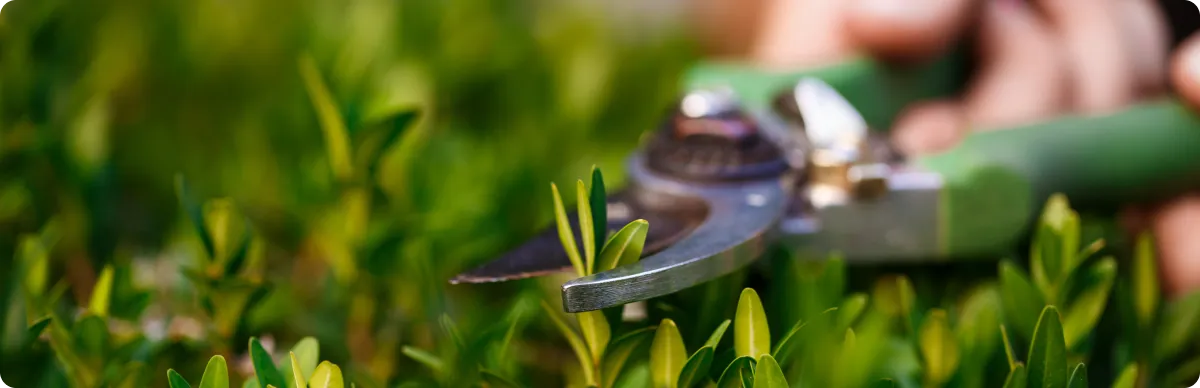
Professional Hedge Shaping
Pest and Disease Prevention
Year-Round Landscape Health
Customized Maintenance Plans
San Carlos Park Hedging Types

Boxwood Hedges
-
Privet Hedges
-
Podocarpus Hedges
-
Clusia Hedges
-
Viburnum Hedges
-
Areca Palm Hedges
-
Hibiscus Hedges
Our Hedging Process
Consultation
Site Preparation
Precision Trimming
Cleanup
Why Choose San Carlos Park Landscape Services
San Carlos Park Homeowners Trust Us
-
Expert Lawn Maintenance
-
Reliable Irrigation Solutions
-
Comprehensive Weed Control
-
Seasonal Clean-Up Services
-
Competitive Pricing
-
Professional Team
-
Satisfaction Guarantee
Coordinating Hedging Services Through Lee County Departments in San Carlos Park
San Carlos Park is an unincorporated community in Lee County, which means all land-use oversight, code compliance, and development review fall under county-level departments rather than a municipal government. Residents and property managers planning hedge installation or ongoing maintenance along property frontages, sidewalks, or rights-of-way should coordinate with the Lee County Department of Community Development for any questions related to screening requirements, setback compliance, or site-plan conditions that may govern hedge placement. Hedges that encroach into county rights-of-way or obstruct sight triangles at intersections and driveway aprons may trigger code enforcement action. Lee County Parks and Recreation also maintains standards for vegetation along public-facing corridors and park boundaries that can inform residential best practices.
- Verify whether your property's site plan includes landscape buffer or screening requirements before modifying or removing hedges
- Confirm that hedge growth does not obstruct sidewalks, drainage swales, or utility easements
- Contact Lee County code compliance if neighboring hedges create visibility or access concerns
Lee County Department of Community Development
1500 Monroe Street, Fort Myers, FL 33901
Official Website: Lee County Department of Community Development
Lee County Parks and Recreation
3410 Palm Beach Boulevard, Fort Myers, FL 33916
Official Website: Lee County Parks and Recreation
How San Carlos Park's Gulf Coast Climate Shapes Hedge Growth and Maintenance
San Carlos Park sits within USDA Hardiness Zone 10a, positioned along Florida's southwestern Gulf Coast where subtropical heat, high humidity, and a pronounced wet season from June through October drive rapid hedge growth. These conditions directly affect species selection, trimming frequency, and overall hedge health.
- Heat and humidity: Summer temperatures regularly exceed 90°F with humidity levels above 80 percent, accelerating vegetative growth in species such as Clusia, Green Island Ficus, Podocarpus, and Cocoplum while simultaneously increasing susceptibility to fungal pathogens like sooty mold and Cercospora leaf spot
- Sandy soils and nutrient leaching: The predominant soils in San Carlos Park are poorly drained fine sands with a high water table, meaning applied fertilizers leach quickly and irrigation must be carefully managed to avoid saturating root zones
- Wet-season flush: Hedges in this region can add several inches of new growth per month during the rainy season, requiring more frequent shaping cycles to maintain form and prevent interior dieback from light exclusion
- Salt exposure: Properties closer to Estero Bay or tidal waterways may experience periodic salt drift, favoring salt-tolerant hedge species such as Simpson's Stopper or native Cocoplum over less tolerant ornamentals
The USDA Plant Hardiness Zone Map confirms the zone classification that guides species suitability for this area.
Navigating San Carlos Park's Zoning and Environmental Rules for Hedge Compliance
Because San Carlos Park falls under Lee County jurisdiction, hedge-related regulations are governed by the Lee County Land Development Code rather than a municipal ordinance. Property owners should be aware of several compliance areas that affect hedging work.
- Landscape buffer requirements: Many subdivisions and commercial parcels in Lee County carry site-plan conditions that mandate specific hedge types, heights, or densities as part of required landscape buffers; removing or significantly altering these hedges without review may constitute a code violation
- Sight-triangle restrictions: Lee County enforces clear sight-triangle standards at intersections and driveway entrances, which may limit hedge height within defined distances from roadway edges
- Stormwater and swale protection: Hedge clippings, trimmings, and debris must not be deposited into swales, canal banks, or storm-drain inlets, consistent with the Florida DEP NPDES Stormwater Program and the broader Clean Water Act framework
- Pesticide application: Any chemical treatments applied to hedges for pest or disease management must comply with Florida Statutes Chapter 487, and commercial applicators must hold valid FDACS pesticide applicator licenses
Zoning questions, including buffer and screening requirements, should be directed to Lee County Zoning.
Lee County Zoning
1500 Monroe Street, Fort Myers, FL 33901
Official Website: Lee County Zoning
Timing and Methods for Professional Hedge Shaping in San Carlos Park's Subtropical Conditions
Effective hedging in San Carlos Park requires alignment with the area's growth cycles, weather patterns, and irrigation realities. Professional standards for this region emphasize the following practices.
- Primary shaping window: The most productive trimming cycles occur from late March through early June and again from September through November, bracketing the peak wet season when rapid growth can quickly distort hedge form
- Wet-season frequency: During June through September, fast-growing species such as Ficus and Clusia may require trimming every four to six weeks to prevent interior canopy shading that leads to bare lower branches
- Cutting technique: Hedges should be shaped slightly wider at the base than at the top to allow sunlight penetration to lower foliage, reducing dieback and maintaining density from ground level upward
- Irrigation coordination: Trimming should be scheduled to avoid immediately following heavy irrigation or rainfall, as wet foliage increases disease transmission risk and makes clean cuts more difficult
- Debris management: All clippings should be collected on-site and disposed of through proper vegetative waste channels; material must not enter swales, retention areas, or canal edges
Residents managing hedges adjacent to water features or retention ponds should review guidance from UF/IFAS on protecting Florida's water resources to understand how landscape maintenance practices affect local water quality.
What Neighborhoods Do We Serve Throughout San Carlos Park, FL?
- San Carlos Estates: Larger residential lots with mature hedges along property boundaries often require extended trimming cycles and attention to drainage swale clearance along unpaved road edges
- Coconut Creek: Properties in this subdivision frequently feature formal hedge lines along front and side yards, with HOA appearance standards that may dictate trimming frequency and allowable hedge heights
- Brandywine: Canal-adjacent lots in this community require careful debris management during hedge maintenance to prevent clippings from entering waterway buffers
- Island Park: Established landscaping and moderate lot sizes create conditions where hedges serve as primary privacy screening, demanding consistent shaping to maintain density
- Tanglewood: Mixed-age plantings and varied lot configurations in this area often present access challenges for hedge maintenance equipment along narrow side yards
- Cypress Lake Estates: Properties bordering retention ponds and greenway corridors benefit from hedge species selection and maintenance practices that support stormwater management objectives